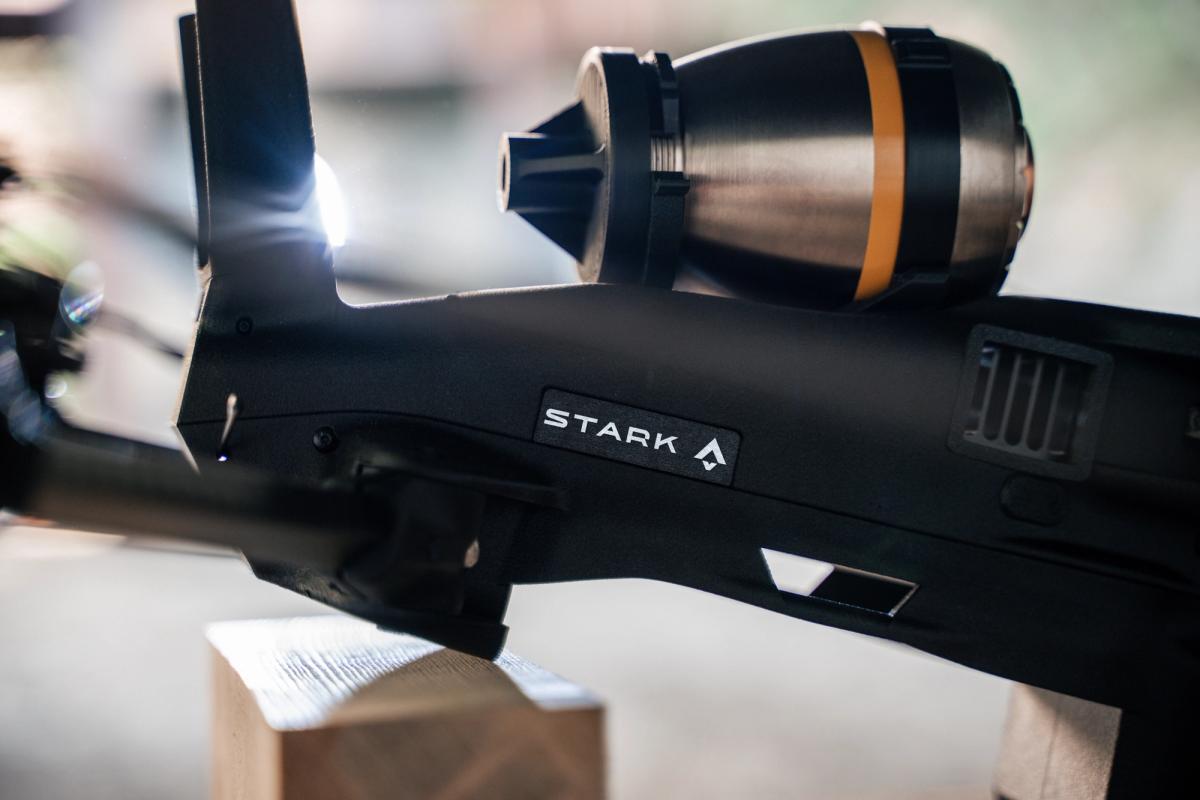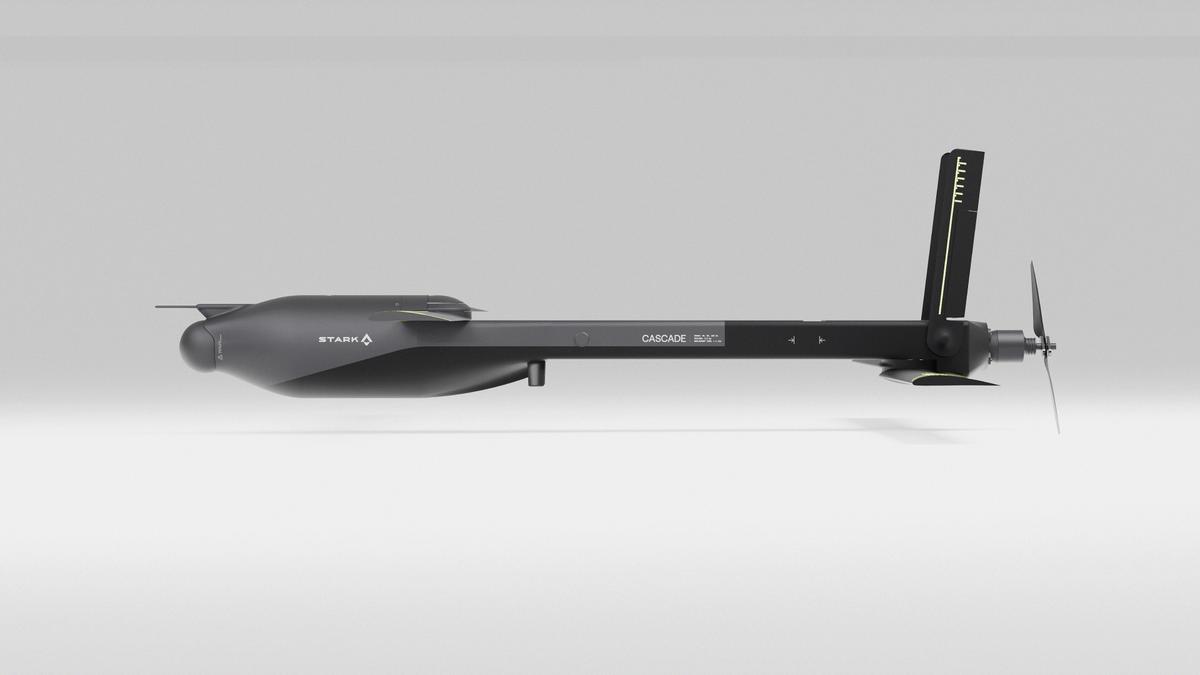
- Acquisition of Berlin-based start-up accelerates STARK’s expansion in electronic warfare
- Raydiant RF brings expertise in radio frequency technology, analog electronics and antenna design to STARK
- Technology will be integrated with STARK’s unmanned systems and Minerva mission management software
Berlin, September 2026
Defence technology manufacturer STARK has acquired Berlin-based start-up Raydiant RF, expanding its capabilities in electronic warfare (EW).
Control of the electromagnetic spectrum has become increasingly important on the modern battlefield, as armed forces seek to detect, disrupt and protect the communications and signals used by their opponents.
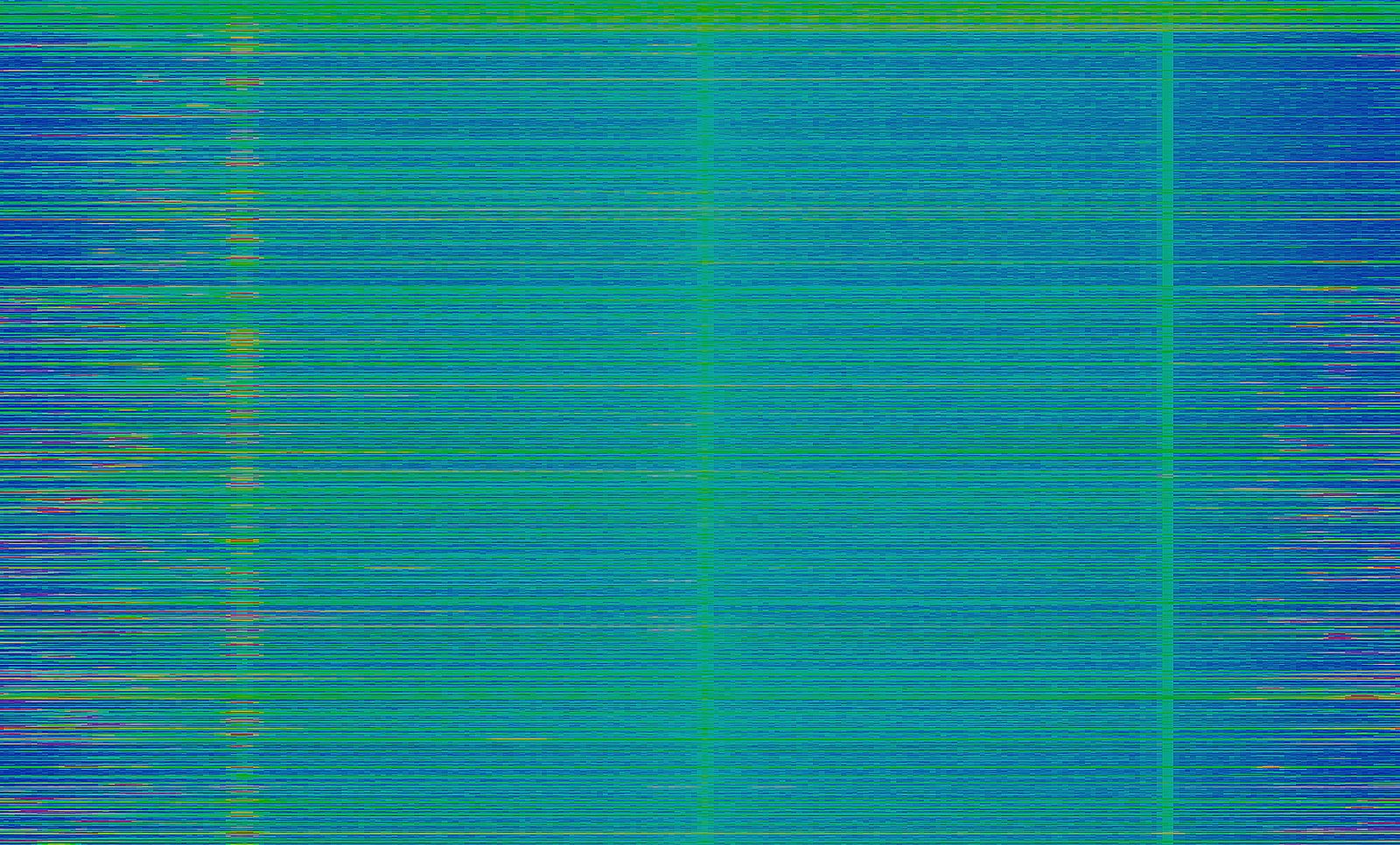
STARK has already developed its first electronic warfare system, R-Zero, which enables unmanned platforms to conduct reconnaissance and locate hostile transmitters and radar installations. The acquisition of Raydiant RF will allow STARK to build on this and develop a broader range of electronic warfare capabilities.
Raydiant RF’s engineering team brings expertise across antenna design, analog electronics and software-defined radios, all of which are central to developing electronic warfare systems.
Johannes Schaback, CTO of STARK said:
“STARK builds systems for the reality of modern warfare, and that extends beyond the platform itself. Communications, reconnaissance and the ability to operate in an increasingly contested frequency spectrum determine whether unmanned systems remain operational, reach their targets and successfully complete their missions.
Raydiant RF brings exactly the technological depth we need to develop these capabilities in-house and integrate them closely with our unmanned systems and AI. We took the first step together with R-Zero and will now build a broader electronic warfare portfolio from that foundation.”
Many unmanned systems still rely on standard communications technology which can be detected, located and jammed. As electronic warfare becomes increasingly common on the battlefield, protecting those communications is becoming critical to keeping unmanned systems operational.
Raydiant RF has developed a compact directional antenna system which can be fitted to existing unmanned platforms. Its technology uses edge AI to analyse activity across the electromagnetic spectrum and react to attempts to jam communications.
Rather than broadcasting a radio signal widely, the system directs it towards the intended receiver, more like a laser than a light bulb. This reduces the system’s electromagnetic signature and makes the connection much harder for an opponent to detect, locate or jam.
Luca Steinweg, founder of Raydiant RF said:
“It became clear during the joint development of R-Zero that we approach electronic warfare in the same way. Joining STARK means we can now deploy our technology across established unmanned systems and get it into the hands of battlefield operators where it can have the greatest impact.”
Raydiant RF’s technology will also be integrated into STARK’s Minerva mission management software, giving operators a clearer picture of activity across the electromagnetic spectrum and helping unmanned systems respond to threats and remain operational in the air, on land and at sea.
Luca Steinweg is joining STARK as Head of Communications/Electronic Warfare to lead the new unit, with Raydiant RF’s four-person engineering team also joining STARK.
About STARK
STARK is a German defence company specialising in unmanned systems across multiple military domains. Born out of an urgent need within the Ukrainian Armed Forces, STARK develops systems designed for the realities of modern warfare: AI-powered, software-based and scalable. STARK operates internationally with locations in Germany, Ukraine, the United Kingdom, Sweden and Greece, and is headquartered in Berlin.
About Raydiant RF
Raydiant RF is a Berlin-based start-up founded in 2024 at the Urban Tech Republic in Berlin-Tegel. The company develops directional communications and battlefield radio signal detection systems for unmanned platforms, designed to reduce their electromagnetic signature and protect against jamming.